




Is Addiction Treatment in Poland Safe for UK and International Clients Seeking Care?
Safety, Governance, and Standards Explained
Safety Is Not Determined by Geography
Choosing to seek residential support abroad is often a decision shaped by necessity.
Yet it naturally raises concerns for individuals and their families.
The central question is rarely the setting itself. It is safety.
What standards are in place?
Who is responsible if something goes wrong?
Does distance from home increase risk?
At Verity Mountain, we take a clear position: safety is not determined by geography.
It is determined by structure, standards, and clear professional responsibility.
Reassurance alone is not enough.
What matters is the framework that supports the individual throughout their stay.

Why Safety Is the First and Most Important Question
For families and decision-makers in the UK and internationally, prioritising safety is not optional — it is fundamental.
During periods of burnout, emotional exhaustion, or the need to address substance use patterns, individuals are often at their most vulnerable.
When support is sought outside the domestic system, the perceived “safety gap” must be addressed through clarity rather than assumption.
It is helpful to distinguish between:
- emotional reassurance — warmth, empathy, and support
- structural standards — governance, clear roles, escalation pathways, and professional responsibility
In a residential setting, safety is the environment in which all meaningful work takes place.
If that environment is unclear or inconsistent, individuals often remain guarded, limiting their ability to engage.
Safety is therefore not only practical.
It is foundational to the process itself.
Understanding Poland’s Healthcare and Regulatory Context
Poland Within the European Healthcare Framework
A common misconception is that seeking residential support in Poland means stepping outside modern standards.
As a member of the European Union, Poland operates within regulated frameworks governing medical licensing, pharmacological and professional standards.
Where medical input is required, this takes place through independent, regulated local providers operating within these systems.
Verity Mountain does not deliver this care directly.
What Actually Determines Quality in a Residential Setting
The quality of a residential setting is not defined by country.
Comparisons such as “UK settings versus settings abroad” are often misleading.
The meaningful distinction is between volume-driven facilities and well-governed settings with clear professional standards.
What matters is how a programme is structured.
Key indicators include:
- clearly defined responsibility and roles
- consistent professional standards
- structured safeguarding processes
- therapists working in line with recognised UK professional standards
- clear escalation pathways when additional support is required
Quality is a function of structure — not location.
Standards UK and International Clients Should Expect When Seeking Support Abroad
One of the most effective safeguards when seeking support abroad is alignment with familiar professional standards.
At Verity Mountain, therapeutic work is delivered by therapists with UK training and professional grounding, working in line with recognised UK professional standards including those established by:
- the British Association for Counselling and Psychotherapy (BACP)
- the National Counselling and Psychotherapy Society (NCPS)
This supports consistency in ethical standards, communication, accountability, and professional practice.
All therapists work within independent professional supervision, providing ongoing reflection, support, and accountability.

Individualised Work Over Rigid Programmes
Standardised, high-volume models can create risk when individuals are expected to fit a fixed structure.
At Verity Mountain, the approach is not template-driven.
Work is adapted to the resident, taking into account personal history, current capacity, professional circumstances, and emotional state.
Flexibility is not an added feature.
It is part of maintaining engagement, continuity, and responsiveness throughout the residential process.
Legal and Ethical Standards Across Borders
Professional Standards and Indemnity
A common concern when considering support abroad is the perceived lack of legal recourse.
In practice, professional responsibility is supported through appropriate indemnity arrangements, which establish clear lines of responsibility for professional decisions made within the residential setting.
Transparency around escalation pathways and responsibility is essential.
At Verity Mountain, professional responsibility is explicit and embedded within a custodianship model that avoids corporate anonymity and supports clear ethical ownership.
Ethical Governance and Duty of Care
Standards are upheld through adherence to recognised ethical frameworks, including:
- informed consent
- clear professional boundaries
- confidentiality
- transparent escalation processes
For UK and international clients, alignment with established ethical standards provides continuity, clarity, and trust.
Duty of care is not a feature.
It is a professional responsibility carried throughout the entire process.
Safeguarding and Risk Management in Residential Settings
Safeguarding is not passive.
It requires clear boundaries, defined roles, and consistent awareness of each resident’s wellbeing.
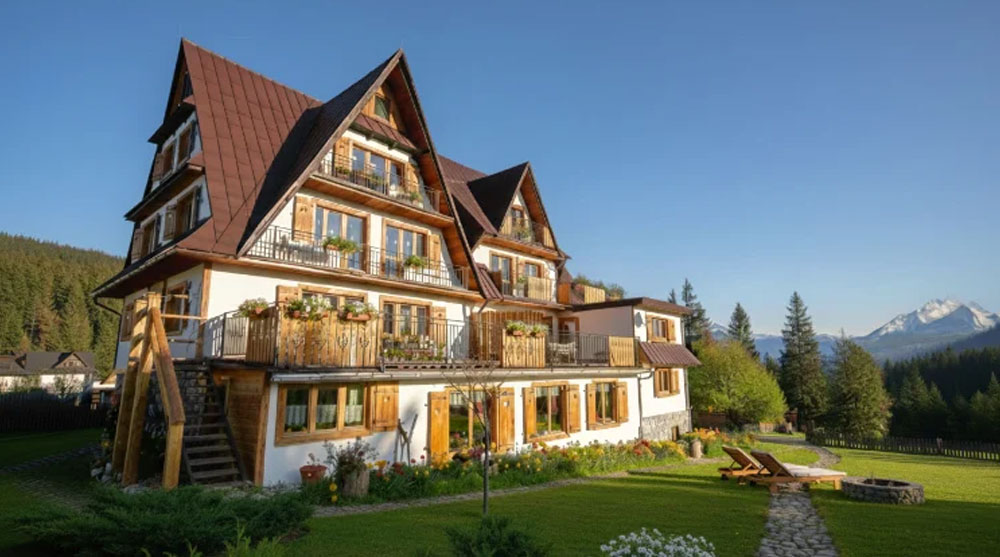
Verity Mountain’s deliberately small scale is not simply a design choice.
It is a structural decision that allows for greater awareness, responsiveness, and continuity.
Where challenges arise, responses are structured, proportionate, and clearly defined.
Safety is maintained through containment — not control.
Medical Support and Emergency Pathways
Verity Mountain operates as a residential therapeutic setting, not a medical provider.
Where medical or pharmacological input is required, this is coordinated through independent, regulated local services.
Verity Mountain does not deliver this care directly.
This approach ensures that medical needs are addressed appropriately, therapeutic work remains uninterrupted, and escalation pathways remain clear and defined.
Safety includes established protocols for identifying when external medical support is required, ensuring coordination with independent providers without unnecessary delay.
Data Protection and Confidentiality
For individuals operating in high-responsibility or public-facing roles, confidentiality is not optional.
All personal and therapeutic information is handled in line with GDPR standards, supporting discretion, data protection, and controlled access to information.
Privacy is expected — and protected accordingly.
Language, Culture and Psychological Separation
Being outside one’s usual environment creates natural separation from daily pressures.
At Verity Mountain:
- therapeutic work is delivered in clear, precise English
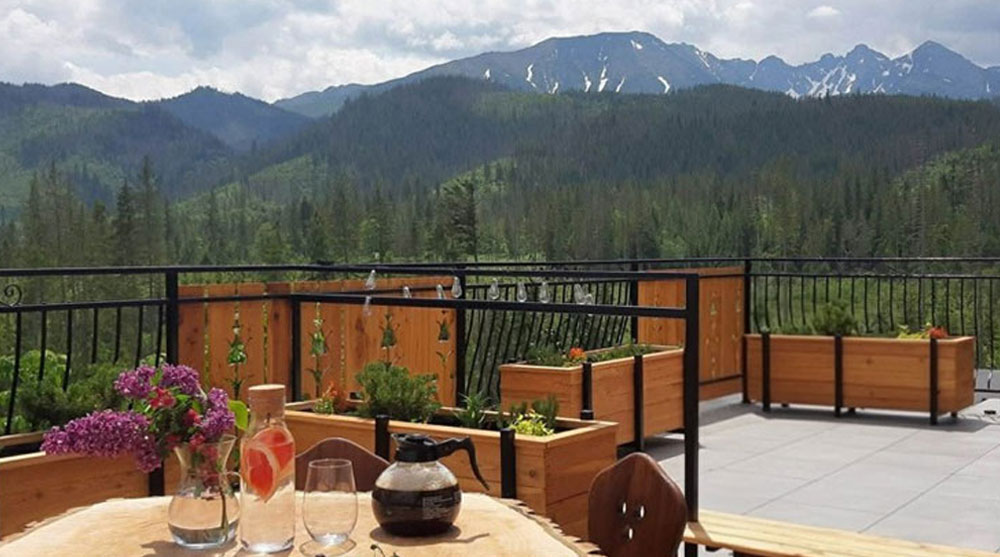
- the external environment introduces distance from routine
This combination allows familiarity within the work and separation from the system that previously sustained unhelpful patterns.
This is not a barrier.
It is part of the process.

Continuity Back to Daily Life
The period following a residential stay is often the most vulnerable.
For this reason, continuity matters more than location.
Support may include:
- structured next-step planning
- coordination with existing support networks where appropriate
- continued therapeutic contact where appropriate
The objective is simple:
to reduce fragmentation as individuals return to daily life and to preserve the progress made within a contained setting
When Residential Support Abroad Is — and Is Not — Appropriate
Seeking support abroad is a strategic choice, not a universal one.
It may be appropriate when:
- the individual is medically stable
- they are able to engage voluntarily
- distance and discretion are required
- the home environment contributes to ongoing patterns
It may not be appropriate when:
- acute psychiatric care is required
- hospital-level medical support is needed
- travel cannot be safely managed
- there is no willingness to engage
Responsible providers assess suitability before admission — not after arrival.
A Final Word on Safety, Responsibility, and Trust
Quality in residential support is not static.
It is an active, ongoing responsibility maintained through clear structure, ethical practice, and responsible leadership.
For UK and international clients, residential support abroad — when supported by defined standards, clear professional responsibility, and a well-governed environment — can provide a stable and appropriate environment for meaningful work.
Trust is not built through location.
It is built through consistency, clarity, and responsibility.
Confidential Enquiry
If you are exploring options for residential support abroad and would like to understand whether this type of setting may be appropriate, we invite a confidential enquiry.
The first conversation is designed to clarify suitability and whether a residential setting abroad may be appropriate, without pressure or obligation.
The purpose is clarity — not commitment.

Find Your Truth. Claim Your Freedom.
A discreet, premium retreat in the Polish mountains with UK-trained therapists.