



Why Some UK Clients Choose Residential Addiction Treatment Outside the Domestic System

Psychological, Environmental and Structural Reasons Behind Support Abroad
When the System Itself Becomes Part of the Problem
Choosing a residential setting for recovery is a profound acknowledgement that structural change is required.
For many UK and international clients — particularly those in high-performance, high-visibility, or high-responsibility roles — an additional question emerges:
Where is the most effective place for that change to occur?
Seeking residential support abroad is rarely about “escape”.
More often, it reflects a clear boundary — the realisation that the familiar domestic environment has itself become an active barrier to recovery.
This is not a critique of UK provision, which frequently delivers excellent care. Rather, it is a recognition that for a specific profile, recovery is not only about therapy — it is about context.
In addiction recovery, the focus is often placed on:
- the what (therapeutic approach)
- the who (therapeutic team)
But the where is often overlooked.
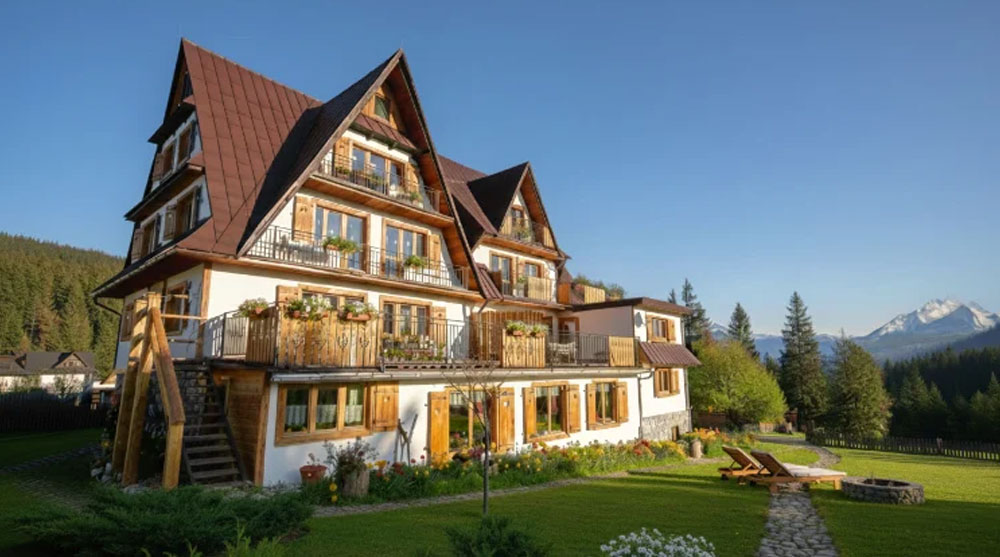
At Verity Mountain, the setting is not decorative.
It is a deliberate part of the therapeutic process.
Sometimes progress falters not because the work is inadequate, but because the environment remains unchanged.

The Home-System Loop:
Why Familiar Environments Undermine Early Recovery
In early recovery, individuals often experience heightened sensitivity to familiar environments, routines, and patterns.
These cues may include:
- the specific lighting of a city evening
- a familiar phone notification
- the habitual route to a home office
- the rhythm of a professional calendar
In many domestic settings, individuals remain within what can be described as a Home-System Loop. Even when engaging in therapeutic work, they remain both physically and psychologically connected to the system that sustained their addiction.
Professional networks remain nearby.
Family expectations persist.
Work pressures continue to pulse in the background.
When the “old life” is a short drive away, the nervous system often remains in a state of anticipatory activation.
That underlying state can limit the depth required for meaningful therapeutic work.
Distance as Containment — Not Escape
There is a persistent assumption that residential support abroad represents avoidance.
For high-performing individuals, the opposite is often true.
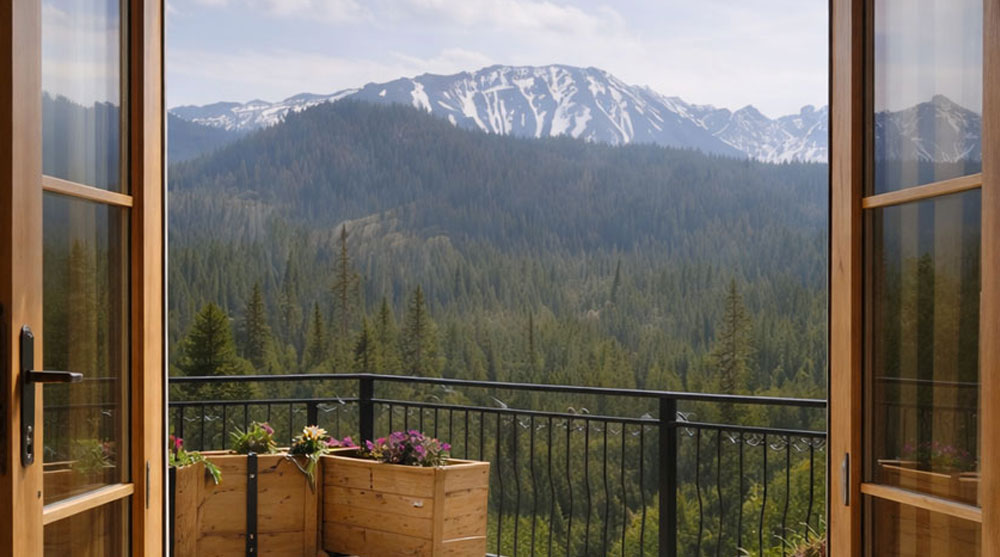
Leaving the country can function as a meaningful systemic interruption, creating separation from the patterns, pressures, and environments that have been sustaining the problem.
In psychological terms, effective change often requires a form of containment — a space sufficiently separate to hold intensity without being overwhelmed by it.
Geographical distance can provide this in ways domestic proximity cannot.
By creating meaningful physical and psychological separation from habitual triggers, a more contained and protected environment emerges — one that supports deeper engagement rather than constant reactivity.
In practical terms, this shift often allows for:
- reduction of decision fatigue through removal from continuous professional demands
- sensory interruption, as different surroundings disrupt behavioural autopilot
- psychological permission to step out of identity roles and engage more openly
Distance creates space to settle — not space to avoid reality.
Anonymity by Geography: Discretion as a Requirement
For CEOs, senior professionals, and public-facing individuals, the UK recovery landscape can feel small.
The risk of accidental visibility through shared networks is not merely reputational — it can directly affect engagement.
If someone feels the need to manage perception within a residential setting, they often remain in performance mode rather than fully engaging.
Anonymity is often a prerequisite for vulnerability.
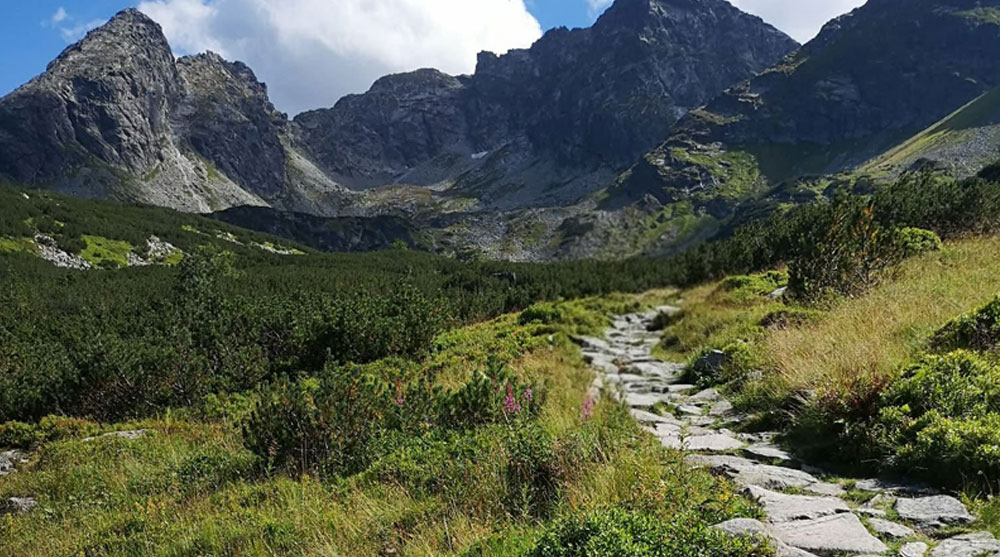
Situated in the Polish Tatra Mountains, Verity Mountain offers a degree of geographic separation that can reduce the likelihood of professional overlap.
Distance allows the nervous system — and identity — to soften.
In that separation, the mask can drop.

The Environment: A Considered Choice
At approximately 1,000 metres (3,300 feet) above sea level in the Tatras, the environment is used intentionally.
This is not aesthetic positioning.
The setting is chosen carefully, drawing on what we know about how environments affect rest and focus.
Natural Materials and Setting
The setting incorporates natural materials, including local Tatra spruce.
Time spent in natural environments is widely understood to support rest and recovery from stress.
Individuals arriving from high-stress urban environments often describe:
- feeling more able to rest
- sleeping more easily
- a sense of slowing down
This is not luxury.
It is environmental preparation for the work ahead.
Altitude, Air and Sleep
At altitude, the air is cleaner and light pollution is significantly reduced compared to metropolitan environments.
This combination supports better sleep, which matters during the early stages of recovery.
The quiet of the setting supports deeper rest and more effective engagement with the work.
A Setting Abroad as Interruption of Habit
Addiction is sustained by automatic patterns.
Breaking these patterns becomes significantly harder when the daily environment remains the same.
Relocating abroad interrupts automaticity.
Unfamiliar surroundings raise awareness of behaviour that has become automatic.
This kind of openness can make change more accessible.
The Holiday Myth
It is important to distinguish between a retreat and a structured residential programme.
A holiday avoids effort.
A structured residential programme requires it.
The mountain environment supports the demanding therapeutic work rather than offering an escape from it.
The Professional Reality:
Why High-Stakes Individuals Often Struggle in Domestic Treatment
Many domestic treatment settings are designed for broad accessibility.
While effective for many, they may not fully address the psychological patterns of high-performing individuals.
Common challenges include:
- intellectualising rather than engaging
- maintaining productivity as a form of avoidance
- difficulty stepping out of professional identity
Proximity to work and ongoing demands reinforces these patterns.
A more contained environment reduces that interference.
At Verity Mountain, scale remains intentionally small.
Clients cannot disappear into a group — nor into their work.
Legal, Ethical and Professional Standards
Families considering support abroad often raise questions about oversight and responsibility.
Where medical or pharmacological input is required, this is coordinated through independent, regulated local providers.
Verity Mountain does not deliver this care directly.
Therapeutic work at Verity Mountain is delivered by therapists with UK training and professional grounding, working in line with recognised UK professional standards, including those set by the British Association for Counselling and Psychotherapy (BACP) and the National Counselling and Psychotherapy Society (NCPS).
Professional standards are supported through:
- independent professional supervision
- defined safeguarding structures
- appropriate indemnity arrangements
Seeking support abroad does not equate to reduced professional standards.
Language, Culture and the Therapeutic Third Space
For UK and international clients, being in a different country creates natural separation from everyday life.
Outside, everything shifts.
Inside, communication remains clear, precise, and in English.
This contrast creates a powerful dynamic:
distance from daily identity, yet familiarity within the work itself.
When Support Outside the UK System Is — and Is Not — Appropriate
Geography must never override safety or suitability.
Appropriate when:
-
the individual is medically stable
-
psychological readiness for reflective therapeutic work exists
-
the home environment contributes to ongoing patterns
-
a high level of discretion is required
Not appropriate when:
-
acute psychiatric instability or active psychosis is present
-
hospital-level nursing is required for complex medical conditions
-
travel cannot be safely undertaken
-
there is no willingness to engage
Responsible providers assess suitability before acceptance — not after arrival.
A Grounded Conclusion: The Architecture of Change
A residential setting abroad is not inherently better than domestic provision.
It is a strategic choice for specific circumstances.
For individuals caught in a Home-System Loop of stress and substance use, stepping outside that system can create something difficult to achieve otherwise:
space to reset without ongoing interference from the environment that has been sustaining the pattern.
By combining:
- a quiet, considered setting
- bespoke therapeutic support
- therapists with UK training and professional grounding working within recognised professional standards
Verity Mountain offers a setting in which people can begin to settle.
And in that settling, the work of recovery begins.
The most effective setting is not defined by amenities
— but by whether meaningful therapeutic work can continue once life resumes.
Before You Decide
For many individuals, the question is no longer whether support is needed — but whether the current environment is allowing that support to work.
In some cases, remaining within the same system continues the pattern.
In others, stepping outside it creates the first real opportunity for change.
Confidential Enquiry
If you are exploring options for residential support abroad and would like to understand whether this type of setting may be appropriate, we invite a confidential enquiry.
The purpose is clarity — not commitment.
Learn more about our Admissions & First Conversation process.

Find Your Truth. Claim Your Freedom.
A discreet, premium retreat in the Polish mountains with UK-trained therapists.